The Blog that Works | Chicago Studies at the University of Chicagotag:blogs.uchicago.edu,2008-09-17:/chicagostudies//102013-11-20T20:50:40ZMovable Type Pro 4.38Susan Gzesh discusses Human Rights Advocacy on Chicago's South Sidetag:blogs.uchicago.edu,2013:/chicagostudies//10.28232013-11-20T20:00:14Z2013-11-20T20:50:40ZBy Sarah Miller, Third-Year Student and Civic Journalist for Chicago Studies On Thursday, November 7th, the Chicago Studies Program of the College and University Community Service Center (UCSC) hosted the first Faculty Fireside Chat of the academic year featuring Susan...Anneka Van Scoyo
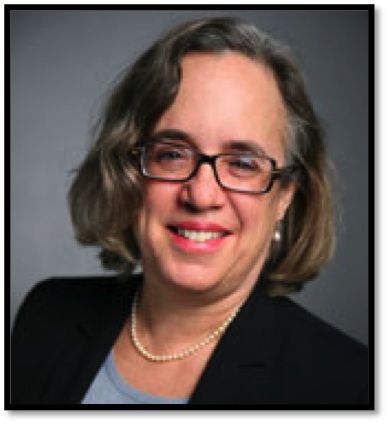
On Thursday, November 7th, the Chicago Studies Program of the College and University Community Service Center (UCSC) hosted the first Faculty Fireside Chat of the academic year featuring Susan Gzesh, the Executive Director of the Human Rights Program and Senior Lecturer in the Social Sciences Collegiate Division.
Gzesh became intrigued with the efforts of African-Americans to appeal for civil rights and an end to segregation to the United Nations after reading Carol Anderson's book, Eyes Off the Prize: The United Nations and the African American Struggle for Human Rights, 1945-1955.
She began to research African-American human rights issues in her own backyard, growing up in the South Shore neighborhood of Chicago. Her curiosity led her to the dank stacks of the Regenstein Library where she made a monumental discovery: a copy of the petition W.E.B. Du Bois wrote to the UN on the behalf of the NAACP, which to her surprise contained two chapters written by two influential African-Americans from the South Side of Chicago - Earl B. Dickerson (J.D. '20), the first African-American to graduate from the University of Chicago Law School and William Ming, the first African-American law professor at the University of Chicago and the first faculty member at a non-segregated law school.
For Gzesh, whose research on police torture that took place at a station on 90th and Cottage Grove during the 1970s and 1980s under the supervision of former Chicago Police Detective Jon Burge, this discovery was especially fascinating. At the time, she and other Chicago-based human rights activists had been working to bring this case of police torture before the United Nations Committee Against Torture as a violation of human rights. After reviewing the cases in which police detectives beat their suspects, mostly African-American males, in order to coerce confessions, UN Commissioners condemned the Chicago police's torture.
"It was pretty exciting because, here are these big predecessors who have blazed this trail that we want to take up again," Gzesh explained.
One of the key questions Gzesh addressed in the chat was why, after 67 years, W.E.B. Du Bois or someone acting in his stead had not attempted to deliver his petition to the United Nations. According to Gzesh, American isolationism throughout the late 20th century and the Cold War drove the aversion of international appeals. However, since 2005, there has been a renewed interest in bringing cases of human rights violations occurring on the South Side of Chicago, including, not only the Chicago police torture cases, but cases that pertain to the rights of housing and affordable education.
"In a system where they feel they are in a closed political system where [marginalized individuals] cannot seek justice, they seek to go outside of the political system to achieve this justice, because outside attention will shake up things a little bit," Gzesh said.
For more information about check out the links below:
Susan Gzesh's Faculty PageHuman Rights Program at the University of Chicago D'Angelo Law LibraryArticle on W.E.B. Du Bois' An Appeal to the World
]]>
Chicago Ideas Week Draws Community and Industry Leaders for Annual Summittag:blogs.uchicago.edu,2013:/chicagostudies//10.28182013-10-09T15:07:58Z2013-10-09T15:09:53ZBy: Sarah Miller, Third-Year Student and Civic Journalist for Chicago Studies The third annual Chicago Ideas Week (CIW) summit is scheduled to take place downtown from Monday, October 14 to Sunday, October 20. The summit will feature nearly 200 speakers,...Christopher Hansen
By: Sarah Miller, Third-Year Student and Civic Journalist for Chicago Studies
The third annual Chicago Ideas Week (CIW) summit is scheduled to take place downtown from Monday, October 14 to Sunday, October 20. The summit will feature nearly 200 speakers, including astronaut Buzz Aldrin and "Meet the Press" moderator David Gregory, and will draw an anticipated 25,000 attendees. The majority of CIW events are open to the public, and tickets to each event cost $15.00. Most of the events are 90-minute panel discussions with three to six speakers who will discuss a certain topic or theme.
This year, the CIW talks will focus on 30 distinct themes, including environment, entrepreneurship, and education. Several of the talks have a direct focus on the city of Chicago and social justice, such as:
• "Chicago: Big Shoulders, Big Future" on Tuesday, October 15 at 4 p.m.
• "Education: State of the Student" on Thursday, October 17 at 4 p.m.
• "Witness: I Changed History" on Sunday, October 20 at 4 p.m.
In addition to the events above, the CIW will host exclusive, behind-the-scenes look into Chicago businesses and institutions and master classes that will feature hour-long conversations between two journalists in their field of expertise.
For additional information about Chicago Ideas Week, visit their website and click here for a complete schedule of events.
]]>
Submit Your BA Thesis Today for the Chicago Studies Annual Journaltag:blogs.uchicago.edu,2013:/chicagostudies//10.27822013-06-10T15:22:27Z2013-06-10T15:24:34ZBy: Christopher Hansen, Communications Intern for Chicago Studies The Chicago Studies Program of the University Community Service Center (UCSC) invites you to submit your Chicago-focused senior thesis for consideration in the Chicago Studies Annual Journal. Each year, University of Chicago...Christopher Hansen
By: Christopher Hansen, Communications Intern for Chicago Studies
The Chicago Studies Program of the University Community Service Center (UCSC) invites you to submit your Chicago-focused senior thesis for consideration in the Chicago Studies Annual Journal.
Each year, University of Chicago undergraduates conduct original research on various aspects of Chicago - politics, history, culture, etc. - and produce publishable work in upper-level classes and BA thesis colloquiums. Students now have the opportunity to submit their work for publication in "Chicago Studies: An Annual of Undergraduate Research on the Chicago Region."
The Chicago region continues to be an academic laboratory for the University of Chicago, and the Journal showcases some of the best academic work about the city produced by undergraduate students. The first volume was released in Autumn 2008.
Eligible papers must:
• deal with some aspect of the Chicago region;
• contain original research;
• have been completed by a University of Chicago undergraduate as a component of a class or degree requirement; and
• be nominated by a faculty member.
Students from all academic disciplines within the College are eligible to submit. To be considered, submissions must be formatted in a Microsoft Word document and sent via email by Friday, July 21 to Martha Merritt, the Associate Dean of Academic Affairs and Development, at mlmerritt@uchicago.edu.
]]>
Chicago Studies Program Seeks to Foster Chicago-Focused Senior Thesestag:blogs.uchicago.edu,2013:/chicagostudies//10.27812013-06-10T13:40:47Z2013-06-10T13:41:57ZBy: Jane Bartman, Third-Year Student and Civic Journalist for Chicago Studies On Monday, June 3, the Chicago Studies Program of the University Community Service Center (UCSC) hosted students who wrote or are planning to write a senior thesis on a...Christopher Hansen
By: Jane Bartman, Third-Year Student and Civic Journalist for Chicago Studies
On Monday, June 3, the Chicago Studies Program of the University Community Service Center (UCSC) hosted students who wrote or are planning to write a senior thesis on a Chicago-focused topic for an engaging dinner discussion.
The event drew over 15 undergraduates from a variety of majors and areas of study, including Pre-Med, Public Policy, History, International Studies, and Sociology, who expressed interest in topics ranging from refugee communities in Chicago to the city's criminal court system.
Attendees offered suggestions for ways that the UCSC could support their research, from compiling a list of completed Chicago-related theses to offering a travel stipend for students conducting fieldwork or archival research elsewhere in the city.
Students were enthusiastic about the chance to focus their major undergraduate research project in a city as diverse and dynamic as Chicago. Third-year Karlyn Gorski said, "Researching in Chicago means I can immerse myself and create a project that I really care about."
If you have additional suggestions on how the Chicago Studies Program could support your BA research, please email chicagostudies.ucsc@gmail.com.]]>
Watch Matthew Skoller's Harmonica Performance in Professor Dietler's Course "Chicago Blues" tag:blogs.uchicago.edu,2013:/chicagostudies//10.27792013-05-31T20:58:40Z2013-05-31T21:05:44ZOn Thursday, May 2, Matthew Skoller was a guest lecturer in Intensive Study of a Culture: Chicago Blues, an anthropology course taught by Professor Michael Dietler in which students examine Chicago blues as a distinct musical genre and cultural phenomenon....Christopher Hansen
Watch the video here.
For more information about this Course Connection, visit the links below:
• "Living (and Hearing) History: Chicago Blues Musicians Share Music and Perspectives with UChicago Students" by Jake Smith
• "Chicago Blues" Course Connection Photos
]]>
Marisa de la Torre Discusses Her Research on School Closings in Faculty Fireside Chattag:blogs.uchicago.edu,2013:/chicagostudies//10.27762013-05-21T19:30:11Z2013-05-21T19:33:12ZBy: Christopher Hansen, Communications Intern for Chicago Studies On Tuesday, May 14, the Chicago Studies Program of the University Community Service Center (UCSC) and the Neighborhood Schools Program (NSP) co-sponsored the spring quarter's second Faculty Fireside Chat featuring Marisa de...Christopher Hansen
By: Christopher Hansen, Communications Intern for Chicago Studies
On Tuesday, May 14, the Chicago Studies Program of the University Community Service Center (UCSC) and the Neighborhood Schools Program (NSP) co-sponsored the spring quarter's second Faculty Fireside Chat featuring Marisa de la Torre. De La Torre, Director for Internal Research Capacity at the University of Chicago Consortium of Chicago School Research, met with students to discuss the effects of school closings on displaced students based on her research studying past school closings in the city of Chicago.
If you were unable to attend the Faculty Fireside Chat or are interested in learning more about the issue, the Chicago Studies Program recommends reading the reports below:
When Schools Close: Effects on Displaced Students in Chicago Public Schools
Authors: Marisa de la Torre and Julia Gwynne
Published: October 2009
Final Report: CPS School Closings
Author: Commission on School Utilization
Published: March 6, 2013
]]>
The Urban Network's Conference Highlights Chicago's Architectural Historytag:blogs.uchicago.edu,2013:/chicagostudies//10.27682013-05-02T21:51:28Z2013-05-02T21:58:08ZBy: Jane Bartman, Third-Year Student and Civic Journalist for Chicago Studies From Thursday, April 25, through Saturday, April 27, the University of Chicago hosted a conference entitled "Chicago and the Built Environment," an initiative of the Urban Network of the...Christopher Hansen
By: Jane Bartman, Third-Year Student and Civic Journalist for Chicago Studies
From Thursday, April 25, through Saturday, April 27, the University of Chicago hosted a conference entitled "Chicago and the Built Environment," an initiative of the Urban Network of the University of Chicago. This three-day conference explored the spatial history of Chicago.
Tim Samuelson, cultural historian of the city of Chicago, delivered the conference's keynote address. In his speech, Samuelson led the audience on a journey through the city's history, as reflected by changes in architectural styles and the city's built environment. Samuelson started off by asking "What was the magic that made Chicago famous?" His talk identified key themes that have shaped much of Chicago's unique culture: the "three In-s" of ingenuity, innovation, and insecurity. Samuelson said that the city's ability to "apply unusual solutions to any given problem" comes in large part from a desire to prove itself equal to older, more-established cities. He credited this drive for making Chicago great: "it's a good incentive that keeps Chicago trying things... as long as it doesn't lose its insecurity, it will always be on its toes."
Friday's events included a series of panels and a Resource Fair. The panels discussed topics such as "Infrastructure" and "Past and Future" and featured a wide range of panelists including University of Chicago faculty as well as community leaders, historians, and architects.
On Saturday, panelists led a tour of Chicago's built environment. The tour stopped at five sites of particular significance in the city's history: the Union Stockyards, the Illinois and Michigan Canal, the Monument to the Great Chicago Fire of 1871, the City Farm, and the Haymarket Riot Memorial.
For more information about the conference, check out the links below:
• "Chicago and the Built Environment" Conference
• The University of Chicago's Urban Network
]]>
Faculty Fireside Chat features SSA Professor and UChicago Crime Lab Co-Director Harold Pollacktag:blogs.uchicago.edu,2013:/chicagostudies//10.27662013-05-01T18:23:37Z2013-05-01T18:44:57ZBy: Sarah Miller, Second-Year Student and Civic Journalist for Chicago Studies On Monday, April 22, the Chicago Studies Program of the University Community Service Center (UCSC) hosted the spring quarter's first Faculty Fireside Chat featuring Harold Pollack, Professor in the...Christopher Hansen
By: Sarah Miller, Second-Year Student and Civic Journalist for Chicago Studies
On Monday, April 22, the Chicago Studies Program of the University Community Service Center (UCSC) hosted the spring quarter's first Faculty Fireside Chat featuring Harold Pollack, Professor in the School of Social Service Administration and the University of Chicago Crime Lab Co-Director.
Pollack's Fireside Chat, entitled "Reducing Gun Violence: What Works and What's Promising?" showcased the Crime Lab's 2009 study that examined strategies to improve social-cognitive skills in teenage boys in seven Chicago public schools. According to Pollack, the study was premised on the understanding that improving social-cognitive skills among young people could help to reduce youth gun violence.
In his discussion, Pollack explained that multiple issues contribute to the problem of youth gun violence, such as poverty, racism, inequality - the "failure of every social policy."
After extensive research of police records in Chicago, Pollack concluded that the majority of homicides caused by gunshots were perpetrated by young, impulsive men during altercations. He also found that most homicides were "gang-related" in that gangs illegally sell firearms to people.
During his talk, Pollack compared crime rates in the United States to those of 11 Western countries. While the United States has crime rates that are comparable or lower than other countries, Pollack showed that its homicide rate is strikingly high compared to that of its industrialized peers.
"There are way fewer dead bodies in those countries, but they have every other social problem we have," Pollack said.
Although Chicago is often hailed as the "murder capital" of the country, Pollack said that gun violence is on decline, pointing out that homicide levels in Chicago were half of what they were 20 years ago.
For more information about Pollack's Faculty Fireside Chat, the 2009 Crime Lab study, or the Chicago Studies Program, check out the links below:
• Harold Pollack's Faculty Page
• Chicago Studies Program
• UChicago Crime Lab
• This American Life Feature on Harper High School, mentioned in the Faculty Fireside Chat
]]>
Exit Zero Event at the Field Museum Invites Residents to Discuss Social and Environmental Issues of Southeast Chicago tag:blogs.uchicago.edu,2013:/chicagostudies//10.27632013-04-16T17:52:44Z2013-04-16T17:56:09ZBy: Sarah Miller, Second-Year Student and Civic Journalist for Chicago Studies The Field Museum and Chicago Working-Class Studies co-sponsored a rough-cut screening of the documentary Exit Zero on Saturday, April 13. The documentary, which narrates the history of deindustrialization in...Christopher Hansen
By: Sarah Miller, Second-Year Student and Civic Journalist for Chicago Studies
The Field Museum and Chicago Working-Class Studies co-sponsored a rough-cut screening of the documentary Exit Zero on Saturday, April 13. The documentary, which narrates the history of deindustrialization in southeast Chicago, is based on a book with the same title written by MIT Professor, Christine Walley. Exit Zero was produced by her filmmaker husband, Chris Boebel.
"The [Field Museum] has been very interested in the region since its founding. As a museum of natural history, it is very interested in environmental issues as well," said Mark Bouman, the Chicago Region Program Director at the Field Museum.
In addition to the documentary screening, the all-day event included a tour of the Field Museum's "Restoring Earth" exhibition and two panel discussions titled "Preserving the Heritage" and "Conserving, Restoring, and Renewing: A Panel of Local Environmental, Community, and Labor Activists."
"This is a story that since I was a teenager I really felt I needed to write. There is not a lot of language about the things I want to talk about," Walley explained during her introduction to the film.
"The [Exit Zero Project] works against more conventional narratives and histories," said Boebel. "It's about the expansion of class inequality in the U.S., and it is meant to be a multi-generational project as a way of thinking about the past and the future."
For more information about the Exit Zero Project, the Field Museum, and Chicago Working- Class Studies, check out the links below:
• Exit Zero Project
• Chicago Studies Feature on Exit Zero Project
• Restoring Earth Exhibition at the Field Museum
• Journey Through Calumet: Communities in Motion in Southeast Chicago and Indiana, past exhibition at the Field Museum
• Chicago Working-Class Studies
]]>
EnvisionDo Hosts Chicago GastroConference on Saturday, April 13tag:blogs.uchicago.edu,2013:/chicagostudies//10.27552013-04-08T16:37:14Z2013-04-08T16:43:26ZBy: Jane Bartman, Third-Year Student and Civic Journalist for Chicago Studies On Saturday, April 13, EnvisionDo will host the Chicago GastroConference from 11am to 5 in Ida Noyes Hall. Journalists, restauranteurs, entrepreneurs, and academics will offer their take on topics...Christopher Hansen
By: Jane Bartman, Third-Year Student and Civic Journalist for Chicago Studies
On Saturday, April 13, EnvisionDo will host the Chicago GastroConference from 11am to 5 in Ida Noyes Hall. Journalists, restauranteurs, entrepreneurs, and academics will offer their take on topics ranging from ingredient sourcing and farming practices to issues of food access and sustainability in the city of Chicago. The day will consist of a series of panels, and attendees are welcome to attend some or all of the events.
The schedule for the GastroConference is as follows:
11:30am - 12:20pm | Panel Session 1
All About Ingredients
Running the Restaurant: Challenges of Restaurant Ownership
12:30pm - 12:50pm | Keynote
Barry Nalebuff, Co-Founder of Honest Tea
2:00pm - 2:50pm | Panel Session 2
Entrepreneurship in the Food Industry I
Crafting the Culinary Experience
3:00pm - 3:20pm | Keynote
Justin Massa, Founder of Food Genius
3:30pm - 4:50pm | Panel Session 3
Entrepreneurship in the Food Industry II
Food and the Social Good: Health, Access and Sustainability
GastroConference tickets are free for University of Chicago students, $10 for University of Chicago affiliates and non-University of Chicago students, and $20 for the general public, and can be purchased here. Registration sign-up for University of Chicago students is now full, but students can join the waitlist for the event.
The event will take place at Ida Noyes Hall, 1212 East 59th St. Chicago, IL, 60637.
All attendees must present ID at the entrance.]]>
Spring 2013 Courses Offer Students Opportunity to Engage with the Citytag:blogs.uchicago.edu,2013:/chicagostudies//10.27472013-03-15T19:35:11Z2013-03-15T19:36:51ZThe Chicago Studies Program invites you to learn more about your city this quarter by registering for one of the Spring 2013 courses that connect to Chicago: • Intensive Study of a Culture: Chicago Blues • The Practice of Anthropology:...Christopher Hansen
Interdisciplinary Opportunities on the College Catalog website.
]]>
Winners Announced for 2013 About Chicago Writing Competition tag:blogs.uchicago.edu,2013:/chicagostudies//10.27462013-03-15T18:47:22Z2013-03-15T19:32:38ZBy: Christopher Hansen, Communications Intern for Chicago Studies The Chicago Studies Program and the Creative Writing Program congratulate the following winners for the 2013 About Chicago Writing Competition: Fiction: Charlie Bullock - "Love and Horror in a Cavern in What...Christopher Hansen
By: Christopher Hansen, Communications Intern for Chicago Studies
The Chicago Studies Program and the Creative Writing Program congratulate the following winners for the 2013 About Chicago Writing Competition:
Fiction: Charlie Bullock - "Love and Horror in a Cavern in What is Now Chile"
Nonfiction: Evan Weiss - "Never Put a Wisconsin Brat on a Chicago Grill"
Poetry: Alison Thumel - "Cardinal"
Winners will be recognized by Dan Raeburn, a member of the Creative Writing faculty, at a reception at the Midway House (Room 108) on Thursday, April 18 at 5 p.m. Each honoree will also read a selection from their winning entry. This event is free and open to the public.
]]>
Skin and Structure: Professor Adrienne Brown discusses racial history of Chicago landmark in Faculty Fireside Chat tag:blogs.uchicago.edu,2013:/chicagostudies//10.27432013-03-11T16:41:05Z2013-03-11T16:45:35ZBy: Christopher Hansen, Communications Intern for Chicago Studies On Thursday, February 28, the Chicago Studies Program of the University Community Service Center (UCSC) hosted the winter quarter's second Faculty Fireside Chat featuring Assistant Professor of English Adrienne Brown in the...Christopher Hansen
By: Christopher Hansen, Communications Intern for Chicago Studies
On Thursday, February 28, the Chicago Studies Program of the University Community Service Center (UCSC) hosted the winter quarter's second Faculty Fireside Chat featuring Assistant Professor of English Adrienne Brown in the Bartlett Lounge.
Brown's Faculty Fireside Chat, titled "The Black Skyscraper," explored the similarities between the cultural discourse of race relations and architectural criticism in the U.S. during the period of 1884 to 1931, the age of the early skyscraper.
In her discussion, Brown highlighted the Home Insurance Building that once sat on the site of the present-day LaSalle National Bank at the intersection of Adams and LaSalle downtown. Built in 1884, the Home Insurance Building was considered the first modern skyscraper due to its innovative, steel skeleton frame, a design that rendered obsolete the use of walls as the primary bearers of a building's weight. As Brown pointed out, this architectural marvel sparked intense debates among architects at the time concerning the use of walls as a building's skin: "What do walls do now? If they don't carry weight, they can look like anything."
Brown connected these architectural debates to the unique historical moment of race science, the end of Reconstruction, and the beginning of Jim Crow. The questions posed by architects -- How do you read one's skin? What significance can be attributed to skin? What's the connection between skin and structure? -- became imbued with broader social implications.
For more information about Brown's Faculty Fireside Chat, check out the links below:
• Professor Brown's Faculty Page
• Chicago Studies Program
• Chicago Architecture Foundation
• Home Insurance Building
• Chicago History Museum
Visit the Chicago Studies Flickr page to view photos from the event.
]]>
"Architecture is Activism" event promotes conversation about sustainable agricultural and environmentally friendly design in Chicago tag:blogs.uchicago.edu,2013:/chicagostudies//10.27402013-03-07T19:53:48Z2013-03-07T20:01:49ZBy: Christopher Hansen, Communications Intern for Chicago Studies On Tuesday, February 19, the "Architecture is Activism: Design for Social Change" panel discussion event at the Chicago Architecture Foundation provided an opportunity for scientists, farmers, community activists, and architects to come...Christopher Hansen
By: Christopher Hansen, Communications Intern for Chicago Studies
On Tuesday, February 19, the "Architecture is Activism: Design for Social Change" panel discussion event at the Chicago Architecture Foundation provided an opportunity for scientists, farmers, community activists, and architects to come together and discuss new ways of incorporating environmentally responsible design and agricultural sustainability. Chicago residents John Edel and Orrin Williams were two of the six featured panelists.
John Edel is the owner and developer of the Chicago Sustainable Manufacturing Center, a green business hub in the Stockyards Industrial Corridor. One component of Edel's initiative is The Plant, a 93,500 square foot meatpacking facility that Edel purchased and repurposed into a vertical farm and food business operation. For Edel, the plant is part of a broader, holistic vision for the Back of the Yards neighborhood. He said, "One-third of The Plant will hold aquaponic growing systems and the other two-thirds will incubate sustainable food businesses by offering low rent, low energy costs, and (eventually) a licensed shared kitchen. The Plant will create 125 jobs in [the area] but, remarkably, these jobs will require no fossil fuel use."
Orrin William is the Executive Director of the Center for Urban Transformation and is the Regional Lead Field Organizer for Energy Impact Illinois. A native of the South Side, Williams shared with the panel what he called the "aesthetics of oppression" through his collection of photographs of south and west side communities in Chicago. Williams argued that a community's physical landscape contributes to its residents' sense of health and vitality. He then underscored the potential for revitalization of these areas through ecologically sustainable development and encouraged the audience to apply their designs and ideas toward increasing food access and creating green jobs in these neighborhoods.
Visit the Chicago Studies' Flickr page to see photos from the event.
For more information about the panelists and their work, check out the links below:
• Chicago Architecture Foundation
• Chicago Sustainable Manufacturing Center
• The Plant Chicago
• Center for Urban Transformation
• Energy Impact Illinois
]]>
"Radically Different Versions of History": Professor Lippert discusses the Pullman Neighborhood and the Haymarket Affair in Fireside Chat tag:blogs.uchicago.edu,2013:/chicagostudies//10.27242013-02-06T22:52:36Z2013-02-06T23:06:07ZBy: Christopher Hansen, Communications Intern for Chicago Studies On Wednesday, January 30, the Chicago Studies Program hosted the winter quarter's first Faculty Fireside Chat featuring Professor Amy Lippert. Amy Lippert is an Assistant Professor of American History in the College....Christopher Hansen
By: Christopher Hansen, Communications Intern for Chicago Studies
On Wednesday, January 30, the Chicago Studies Program hosted the winter quarter's first Faculty Fireside Chat featuring Professor Amy Lippert.
Amy Lippert is an Assistant Professor of American History in the College. Her research and teaching focus on the cultural and social history of the United States in the nineteenth century, with a special interest in the mass production, consumption, and interaction with visual imagery and problems of perception. She teaches courses and seminars on Visual Culture in American Life, nineteenth-century U.S. Cultural and Social History, the U.S. West, American Urban History, Gender and Sexuality, American Cultural Institutions, Consumerism and Mass Culture, and Death and Memory.
Lippert's Fireside Chat focused on contested versions of Chicago's labor history surrounding the series of late nineteenth-century workers' rights demonstrations that occurred in the city. Perhaps the most important of these demonstrations, argued Lippert, was the Haymarket affair which took place on May 4, 1886. Organized at the corner of Des Plaines Avenue and Randolph Street in Forest Park, Illinois, the Haymarket affair started as a peaceful rally in support of an eight-hour work day. The gathering quickly turned violent, however, when an unidentified person threw a dynamite bomb at police officers as they attempted to break up the crowd. Seven police officers and at least four civilians died in the altercation that ensued.
Contemporary historians have not been able to account for who initiated this violence. Due to the enigmatic nature of that day's events, various historical sites have sprung up around the city that offer contesting versions of Haymarket's "official" history. For Lippert, these sites present "radically different versions of history that play out and continue to play out..." across the city's landscape.
Lippert highlighted one such site, the Pullman State Historic Site, to which she took her "Nineteenth-Century American Survey" course as a part of a Chicago Studies-sponsored Course Connection. The Pullman State Historic Site was established in honor of the legacy of George Pullman, a nineteenth-century business mogul who opposed many of the labor rights reforms proposed at the time of the Haymarket affair. In fact, Pullman financed a statue to commemorate the police officers who died in the May 4th riot. Lippert recalled her students' surprise that the Pullman museum seemed to downplay the importance of George Pullman, Pullman Town, and its blue-collar residents in the city's labor movement. The visit to the Pullman State Historic Site, for Lippert, changed the trajectory of the course for the duration of the quarter as she and her students critically considered, "What is at stake in these different versions of history?"
For information about how to incorporate a Chicago Studies "Course Connection" into your classroom experience, please email chicagostudies.ucsc@gmail.com.
Relevant links:
• Professor Lippert's Faculty Page
• Chicago Studies Course Connections
• Pullman State Historic Site
• Chicago Historical Society's Haymarket Affair Digital Collection
• Historian Carl Smith's Urban Disorder and the Shape of Disbelief
]]>
 For more information about check out the links below:
Susan Gzesh's Faculty Page
Human Rights Program at the University of Chicago D'Angelo Law Library
Article on W.E.B. Du Bois' An Appeal to the World
]]>
For more information about check out the links below:
Susan Gzesh's Faculty Page
Human Rights Program at the University of Chicago D'Angelo Law Library
Article on W.E.B. Du Bois' An Appeal to the World
]]>